
Debunking the most common myths in gambling What you really need to know
The Gambler’s Fallacy: Luck is Not a Strategy
The gambler’s fallacy is a widely held belief that previous outcomes in games of chance influence future results. Many players assume that after a string of losses, a win is “due” to happen. This misconception can lead to reckless betting, as players may increase their wagers in hopes of recovering losses. However, the odds remain unchanged regardless of past results, as each game is independent of others.
For example, in roulette, the probability of landing on red or black remains constant after each spin. Players who fall victim to the gambler’s fallacy may find themselves in a precarious financial situation, as they chase losses without a rational basis for their actions. Understanding that luck does not follow patterns is crucial for responsible gambling practices.
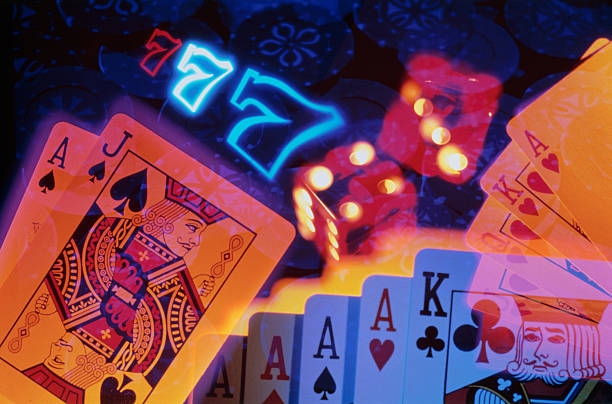
Moreover, the gambler’s fallacy can create an illusion of control, leading players to believe that they can influence outcomes through previous results. This myth not only misguides players but can also tarnish their overall gambling experience. By debunking this misconception, gamblers can approach their activities with a clearer mindset, focusing on enjoyment rather than chasing elusive victories.
Slot Machines Are Rigged: The Truth About Odds
Another common myth is that slot machines are rigged against players. Many individuals believe that casinos manipulate the odds to ensure players lose more often than they win. In reality, slot machines operate on Random Number Generators (RNG), which guarantee that every spin is independent and random. Casinos are required to adhere to strict regulations that ensure fair play.
The belief that a machine is “due” for a payout is misleading. Each spin is based solely on chance, and the odds are predetermined by the game’s design. While it is true that some machines may offer higher payout percentages than others, the notion that players can somehow predict wins based on previous spins is unfounded. Education about how these machines function is essential for fostering responsible gambling habits.
Additionally, understanding the mechanics behind slot machines can enhance the overall gaming experience. Players can make informed decisions about which games to play based on their own preferences and the payout percentages provided by the casino. Embracing this knowledge fosters a more enjoyable environment that encourages responsible play, rather than succumbing to the belief that luck is the only factor at play.
The House Always Wins: Realities of Gambling
The phrase “the house always wins” suggests that players are destined to lose against the casino. While it’s true that casinos have an edge due to their established odds, it doesn’t mean that players can’t win in the short term. Many gamblers enjoy their experiences and do win substantial amounts during their sessions. However, the key is understanding that over time, the house edge ensures profitability for the casino.
This myth can discourage new players from engaging in gambling at all, as they may feel that their chances of winning are nearly impossible. In reality, many games offer players the opportunity to win based on skill, strategy, and a dash of luck. For instance, games like poker and blackjack allow players to influence outcomes through strategic decision-making, rather than relying solely on chance.
Educating oneself about game strategies and probabilities can lead to more successful gambling experiences. Players who recognize the balance between risk and reward are better equipped to enjoy gambling responsibly. Ultimately, while the house does hold an advantage, understanding the dynamics of the games can empower players to engage meaningfully in their gambling endeavors.
Betting Systems: The Illusion of Guaranteed Wins
Many gamblers are drawn to betting systems that promise to guarantee wins, such as the Martingale strategy, which advocates doubling bets after each loss. The idea is that eventually, a win will recoup all previous losses. However, these systems are fundamentally flawed, as they do not change the odds of the games being played. Relying on such systems can lead to significant financial loss.
Moreover, the risks associated with betting systems often go unnoticed. Players may underestimate the potential for exponential loss as they chase recoveries through systematic betting. Casinos typically have betting limits, which can prevent players from implementing these systems effectively. Responsible gambling practices require an understanding that no system can overcome the house edge.
Instead of relying on flawed strategies, players are encouraged to set budgets and stick to them. Establishing clear limits helps maintain control over one’s gambling behavior. By focusing on responsible practices rather than chasing unrealistic guarantees, players can foster a healthier relationship with gambling while still enjoying the thrill of the games.
Responsible Gambling: Your Path to Enjoyment
Responsible gambling is about finding a balance between enjoying the thrill of the game and maintaining control over one’s finances and emotions. It is essential to approach gambling with a mindset focused on entertainment rather than a means to make money. Recognizing the myths surrounding gambling can significantly contribute to this balanced perspective.
Setting personal limits on time and money spent is a vital aspect of responsible gambling. Gamblers should prioritize self-awareness and recognize when it is time to take a break. Engaging in gambling should always be fun and stress-free; if it ceases to be enjoyable, it’s crucial to step back and reassess one’s approach.
Additionally, seeking resources and support for responsible gambling practices is highly recommended. Many organizations offer help for those who may be struggling with gambling-related issues. By prioritizing personal well-being and informed decision-making, players can enjoy gambling as a form of entertainment, free from the burdens of myths and misconceptions.